
What can a buyer check from window factory photos, and which performance and certification details still need matching documents?
Context
This case uses factory photographs from an anonymized European residential window project. Client, supplier, order, specification, price, certificate, and full inspection-report details have been removed.
The specific problem
Factory photographs help review visible condition, hardware, and dimensions, but they cannot on their own confirm structural performance, air or water ratings, thermal values, NFRC status, AS 2047 compliance, or destination approval.
Our diagnosis
Appearance, hardware, and dimensions can be checked at the factory. Performance, certification, and local suitability must be reviewed separately against the actual model, glazing, configuration, and destination requirements.
Project photos
These images come from actual project records. Client identity, addresses, and commercial details have been removed.
Case prepared on 2026-08-08; to protect client privacy, the exact capture dates of the historical photographs are not disclosed.
How we handled it
1. Organize the visible factory states
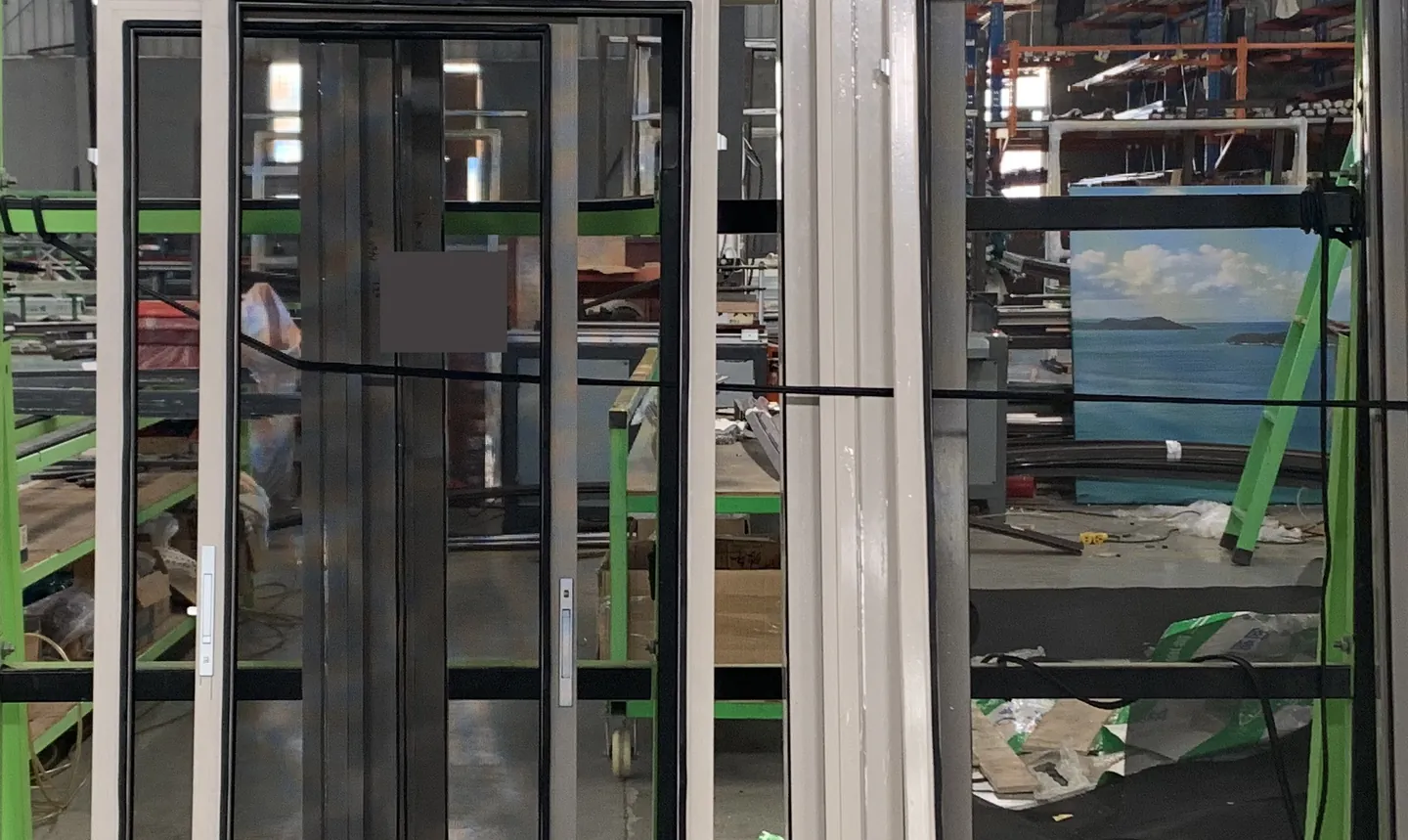
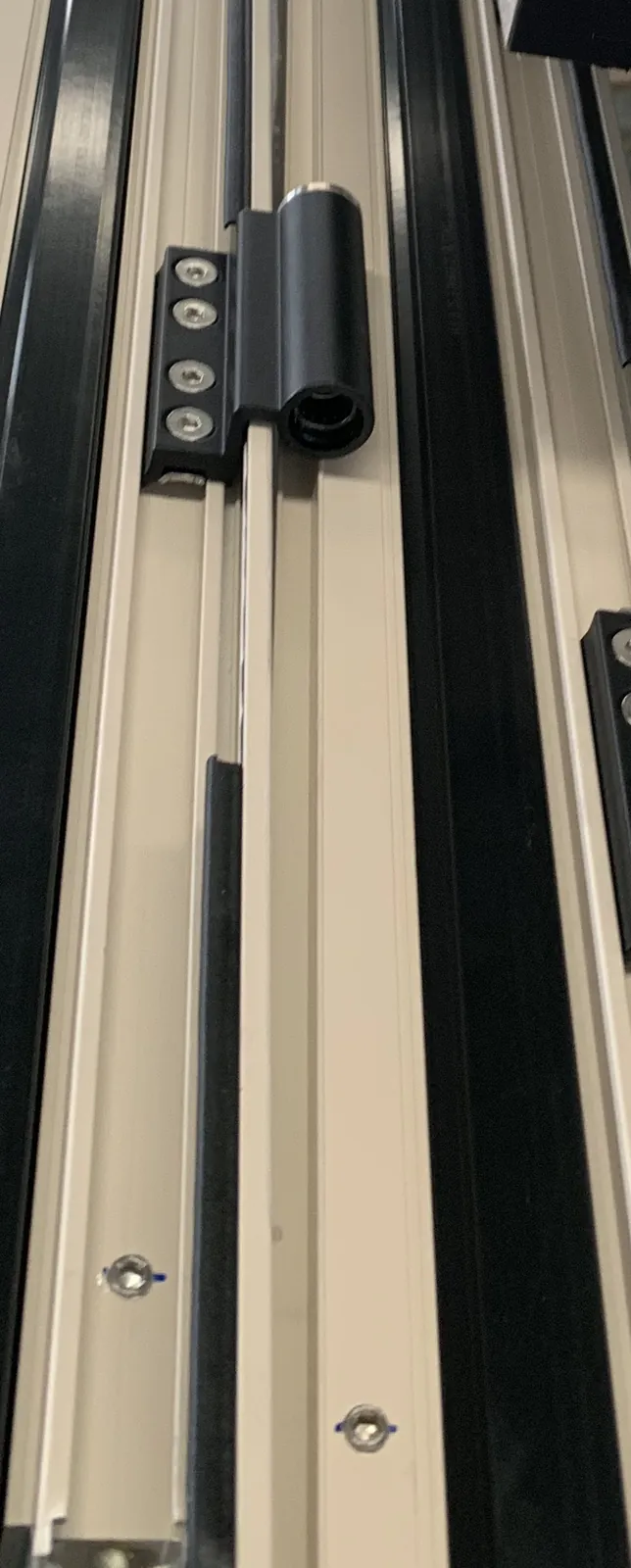
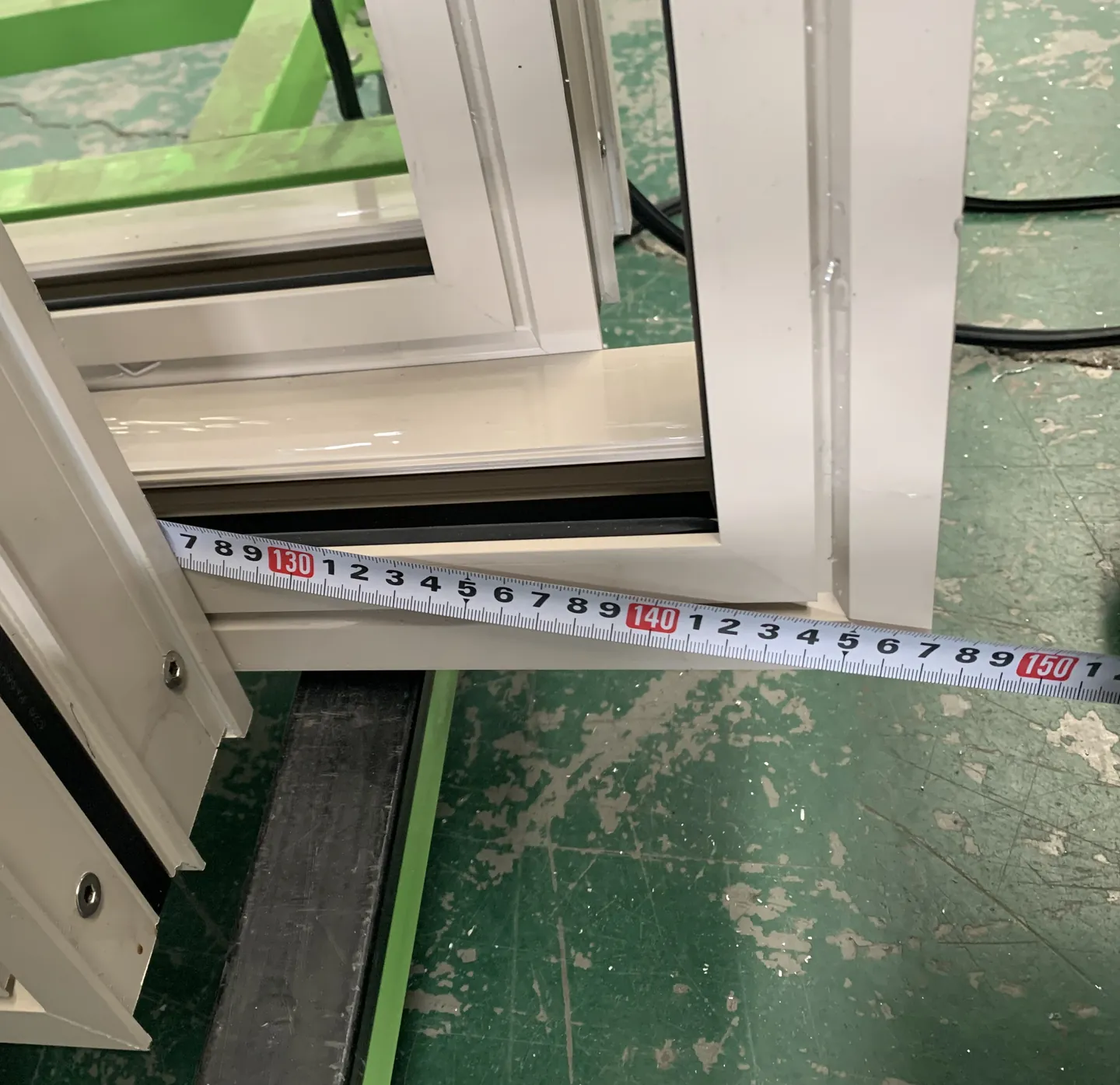
We separated grouped window units, track and hardware details, and a whole-window dimension check so each public image had a limited and understandable purpose.
2. Treat a photographed measurement as an observation
The public record shows a dimension check on a window unit. A complete live inspection connects that reading to the approved drawing, tolerance, item identity, measurement point, and acceptance decision.
3. Keep visible details distinct from performance
Track, hinge, operable-panel, and visible product condition can be reviewed at the factory, but they do not prove glass composition, system ratings, long-term durability, or installation quality.
4. Create a separate technical-document check
For any live order, certificates or test reports must be checked for scope, model and configuration match, glazing and hardware details, validity, and destination-jurisdiction acceptance. A factory photograph cannot replace that review.
5. Link future QC records to controlled items
A usable live-order record should connect each observation to an opening schedule, approved shop drawing, item or batch reference, corrective action, packing record, and arrival-condition record.
What was recorded
- Several window systems were photographed while staged together for visible-condition review.
- Track, hinge, and operable-panel details were recorded in the factory environment.
- A dimension-check action on a window unit was recorded at the factory.
Result and current status
The buyer can use these photos to understand how visible condition, hardware, and dimensions are checked at the factory, while keeping performance, certification, and project approval as separate document checks.
Current progress: These are historical factory-check photos. Every new project still needs confirmation against its actual model, configuration, and destination requirements.
For a similar project
- Match every proposed opening to an approved schedule and shop drawing.
- Record item or batch identity, measurement point, hardware, seals, glass markings, and finish condition.
- Check certificates or test reports against the exact model, configuration, glazing, hardware, scope, and validity.
- Resolve visible or document mismatches before final payment, packing, or loading.
- Retain packing, loading, arrival-condition, and local professional review records where required.
Based on an anonymized European residential window project archive. Client, supplier, order, contact, price, certificate, and original project-document details have been removed.