
After custom cabinetry arrives, how should a buyer track installation and confirm what still needs to be finished?
Context
The project included logistics, site-arrival, and indoor installation records. For this public case, customer identity, address, shipment labels, project codes, drawings, prices, and supplier details have been removed.
The specific problem
A delivery photo can prove that goods reached a location, while an indoor fit-out photo can show work progressing after delivery. Neither one, by itself, proves final adjustment, defect closure, installer sign-off, client acceptance, or completed handover. Mixing those stages would create a stronger claim than the available record supports.
Our diagnosis
We organized the records by delivery, installation, adjustment, and handover so the buyer could see what had happened and which steps still needed follow-up.
Project photos
These images come from actual project records. Client identity, addresses, and commercial details have been removed.
Case prepared on 2026-08-08; to protect client privacy, the exact capture dates of the historical photographs are not disclosed.
How we handled it
1. Separate delivery, installation, and handover
We recorded delivery, indoor installation, and final handover as separate stages so the buyer could see the current progress without confusing installation with final acceptance.
2. Use room-level records to show real progress
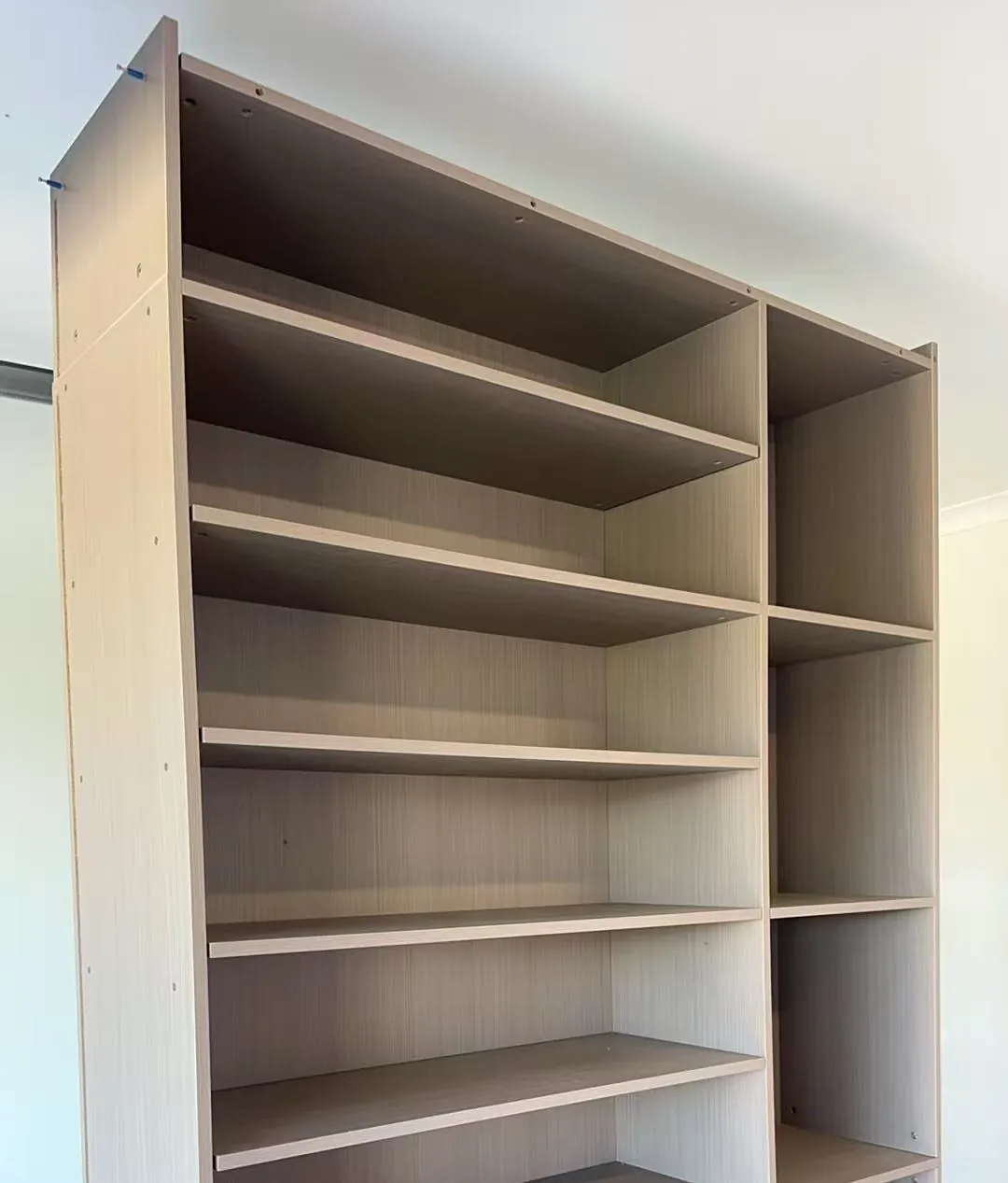
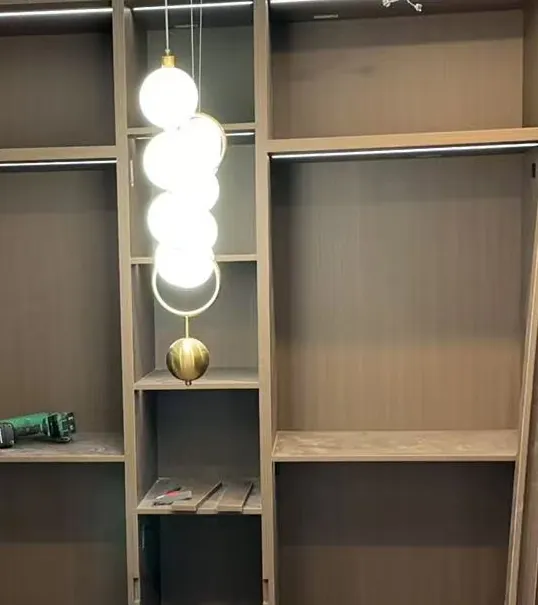
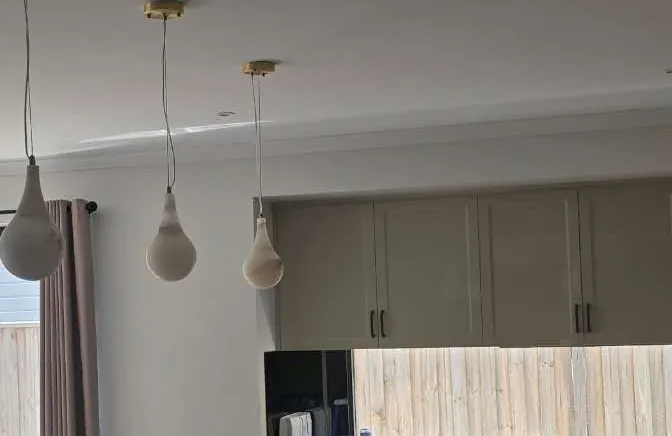
The photos show bookcase carcass assembly, walk-in cabinetry and lighting preparation, fitting details, and kitchen cabinetry inside the residence. Several rooms were included to show how installation was progressing across the home.
3. Keep identity-bearing logistics records private
Some logistics images included shipment labels and exterior details, so they remain private. This case uses anonymized indoor photos to show the post-delivery installation stage.
4. State what still required separate evidence
Final adjustment, issue closure, installer sign-off, client acceptance, and handover still needed separate confirmation. These checkpoints should be agreed before procurement starts.
What was recorded
- Cabinet components were photographed inside the residence after delivery.
- A bookcase carcass was recorded during assembly before doors and final adjustment.
- Walk-in cabinetry was recorded during fitting and lighting preparation.
- Kitchen cabinetry was present on site during post-delivery fit-out.
- More than one interior area was photographed, supporting a multi-area installation-progress record.
- Identity-bearing logistics and exterior records were withheld from the public edition.
Result and current status
The buyer can see that the cabinetry moved beyond delivery and into on-site installation, which areas were progressing, and which final adjustment and acceptance steps still required follow-up. Customer and commercial information remains private.
Current progress: The cabinetry had entered on-site installation. Final handover, issue closure, installer sign-off, and client acceptance still required separate confirmation.
For a similar project
- Approve drawings, finishes, and room identifiers before production.
- Define factory-QC, packing, loading, arrival, installation, and close-out checkpoints separately.
- Link each photograph to a room, component, date, and project stage.
- Record damage, missing items, adjustments, and the evidence used to close each issue.
- Require final acceptance or installer sign-off separately from installation-progress photographs.
Based on an Australian residential cabinetry project archive. Names, addresses, contacts, drawings, room codes, shipment labels, supplier details, and prices have been removed.