
How should photos from different projects and stages be organized so buyers do not mistake them for one continuous order?
Context
This case brings together four separate examples: installed joinery from one residence, installation work from another, historical product checks, and general factory cabinet assembly.
The specific problem
When photos from different projects are shown without clear stage labels, a reader may assume that one order moved from factory inspection through installation to completion. These records do not show that sequence.
Our diagnosis
Each group of photos needs a clear project stage and purpose, together with a simple explanation that the groups are not linked by one order or timeline.
Project photos
These images come from actual project records. Client identity, addresses, and commercial details have been removed.
Case prepared on 2026-08-08; to protect client privacy, the exact capture dates of the historical photographs are not disclosed.
How we handled it
1. Explain that the photos come from separate projects
We state at the beginning that the four groups are independent. They do not share one customer, order, batch, shipment, or timeline.
2. Sort them by installation, QC, and factory stage
Set A was labelled installed visible joinery; Set B, installation-stage interiors from another residence; Set C, historical product QC; and Set D, generic factory assembly and staging.
3. Explain what each group is useful for
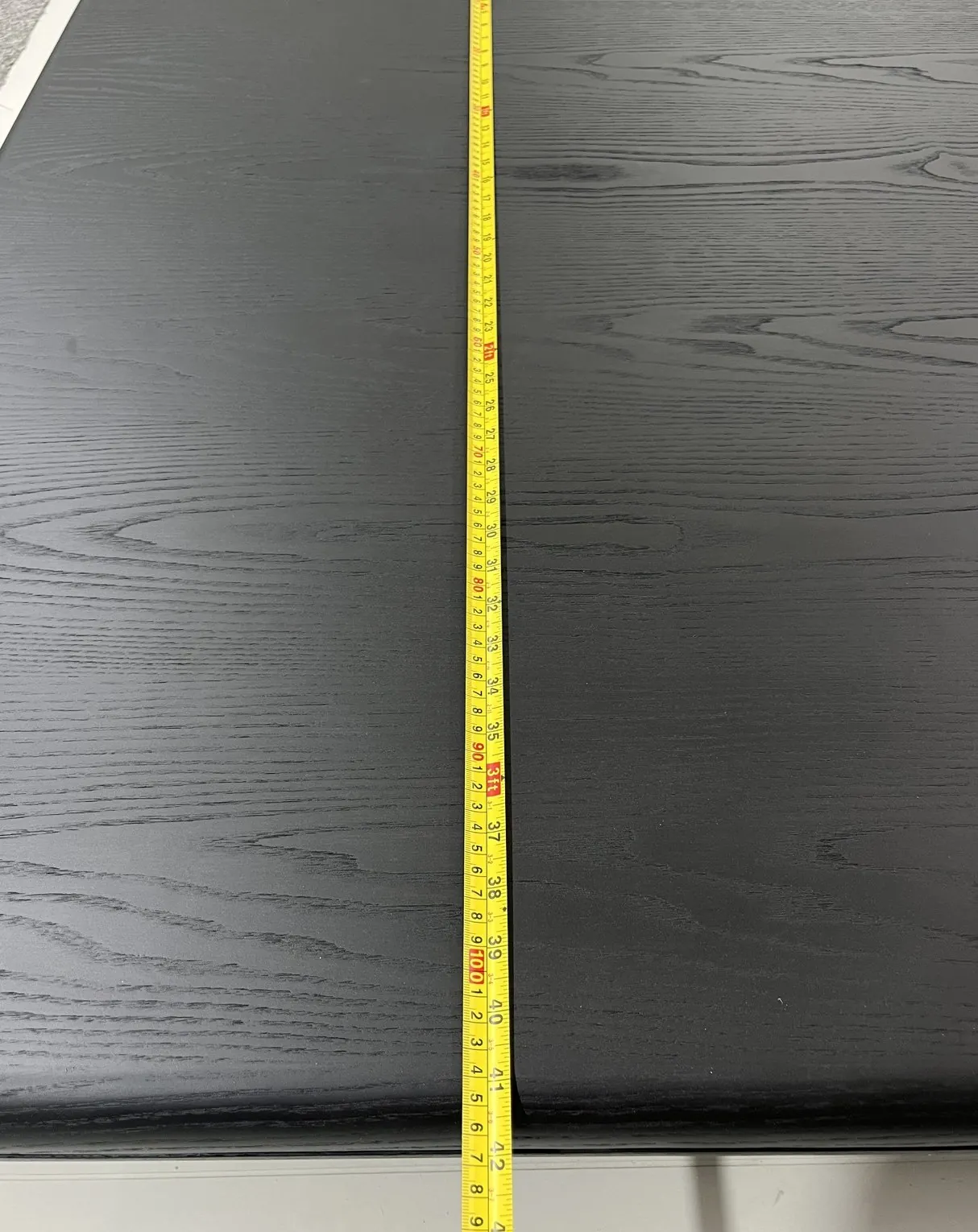
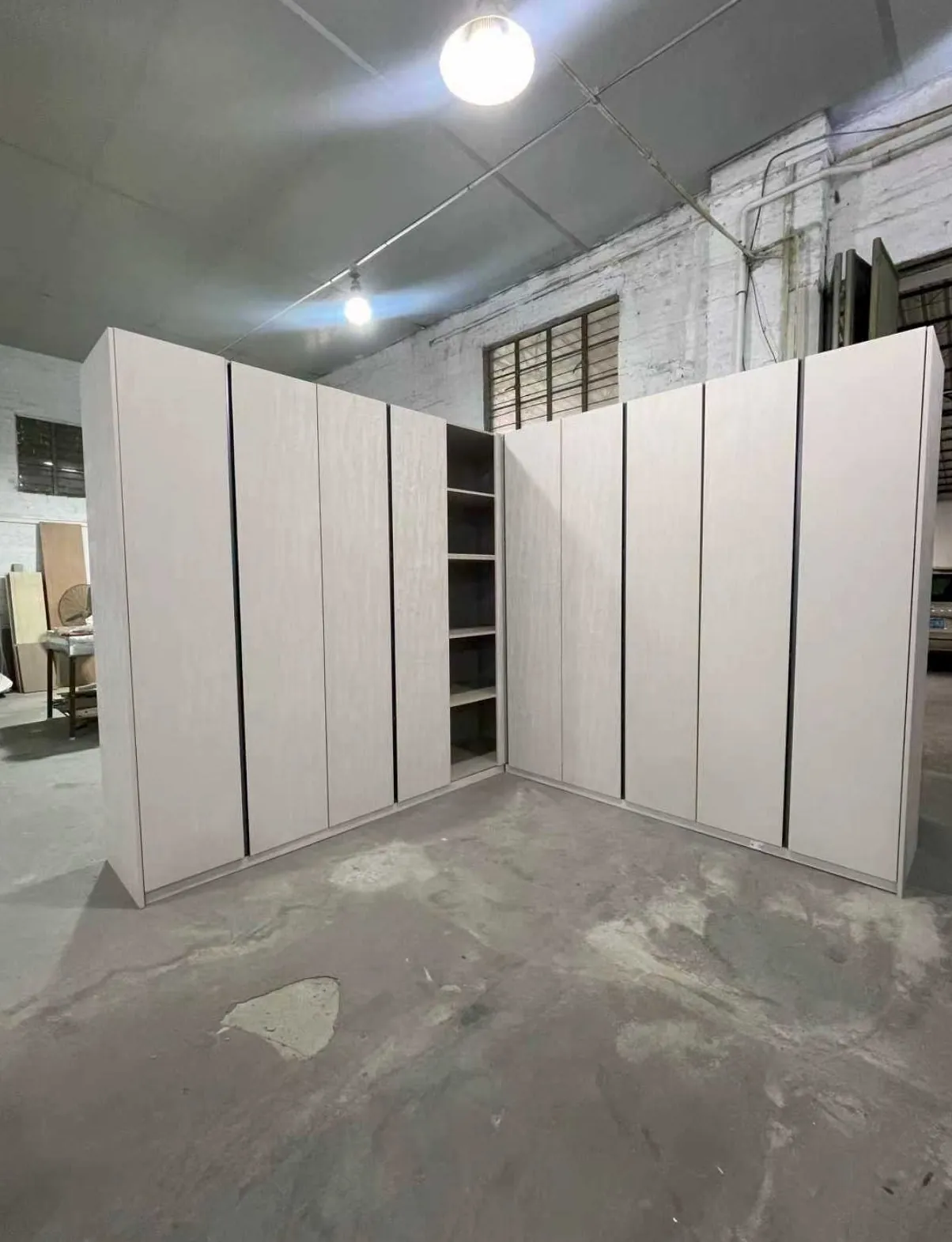
The installed set supports visible installed condition, the in-progress set supports installation activity, the QC set supports examples of checking actions, and the factory set supports assembly and staging. None proves the other stages.
4. Protect client details and keep the original project archive private
Names, addresses, faces, drawings, project numbers, shipment labels, supplier details, prices, phone numbers, and email addresses are hidden. Original project files remain in the private archive.
5. Build a new project record for every live order
Historical examples help define checkpoints, but every new order still needs its own approved specification, product references, QC criteria, correction log, packing and loading photos, arrival record, installation record, and final acceptance.
What was recorded
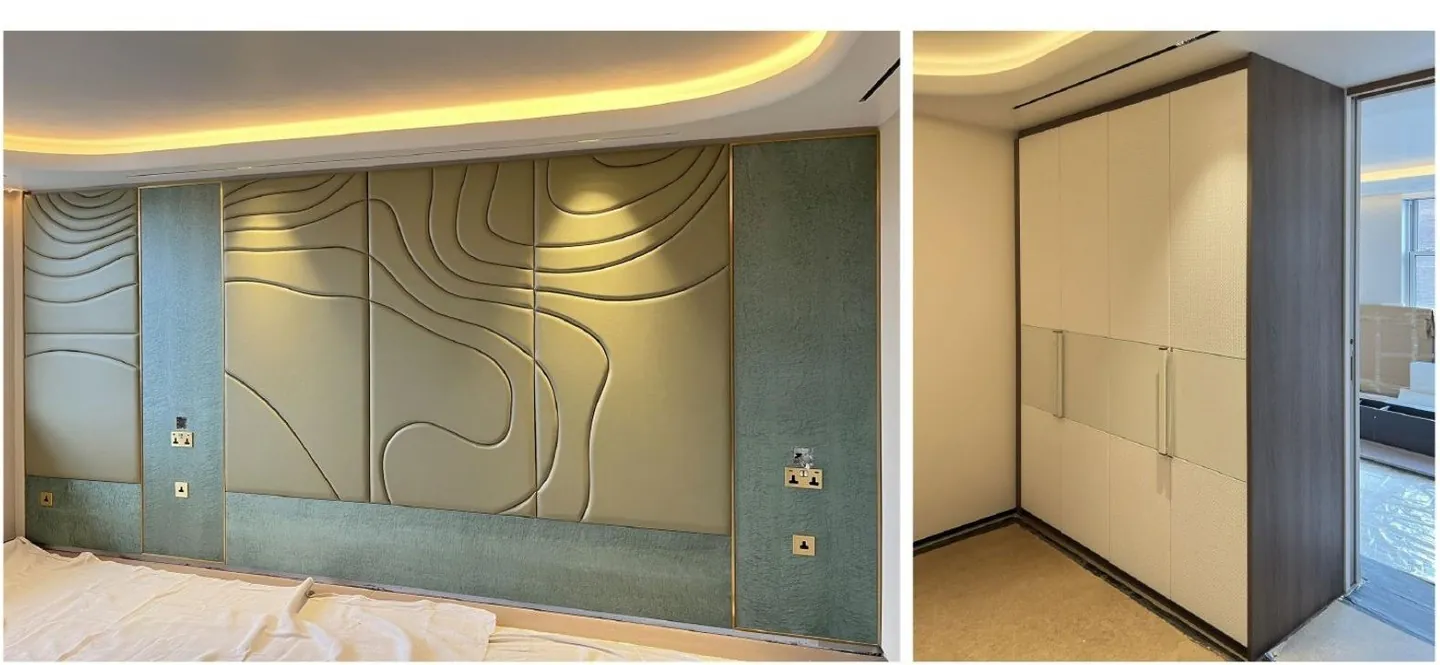
- Set A contains installed visible wall joinery, integrated storage, decorative panels, and curved cabinetry from an anonymized residence.
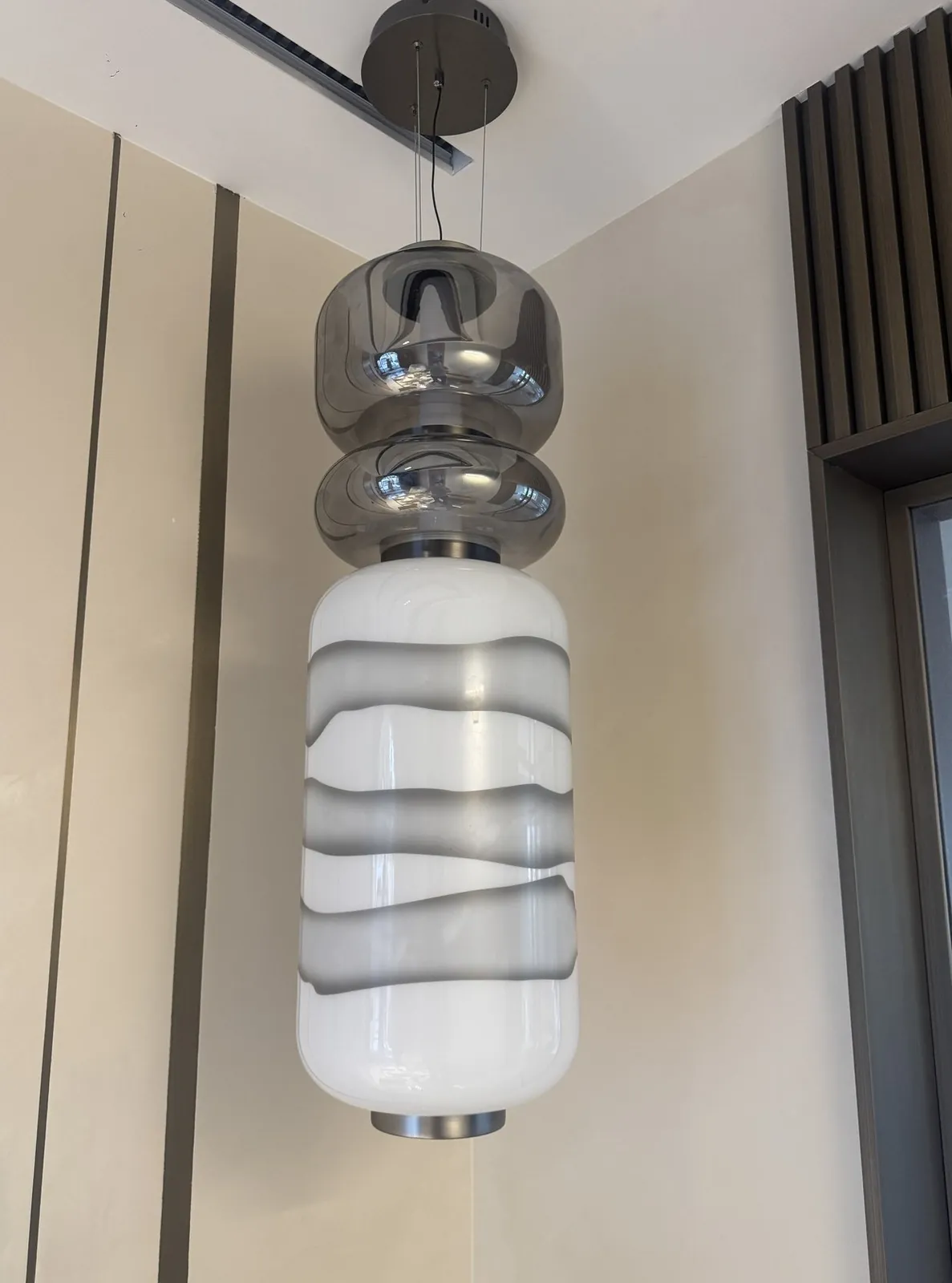
- Set B contains installation-stage furniture and lighting records from a separate residence, with protective coverings and incomplete areas still visible.
- Set C contains historical product-only records of tabletop and console measurements plus upholstery and seam condition.
- Set D contains generic factory records of open storage units and wardrobe units staged for visual review.
- The archive does not establish that Sets A, B, C, and D belong to the same customer, project, order, shipment, or chronological sequence.
Result and current status
Buyers can compare real installed, in-progress, product-check, and factory stages without being led to believe that they came from one end-to-end order.
Current progress: All four groups are separate historical examples. They do not describe the live status of one current order.
For a similar project
- Ask whether every image belongs to the same customer, order, item, batch, and date sequence.
- Label completed, in-progress, QC, factory, packing, and delivery evidence separately.
- For every inspection image, retain the approved drawing, sample, schedule, or tolerance used for comparison.
- Record who accepted, rejected, or requested correction and what evidence closed the issue.
- Do not use historical examples as a substitute for project-specific QC, compliance, installation, or acceptance records.
Based on several anonymized project, product-check, and factory archives. Customer, supplier, project, shipment, contact, and commercial details have been removed.